
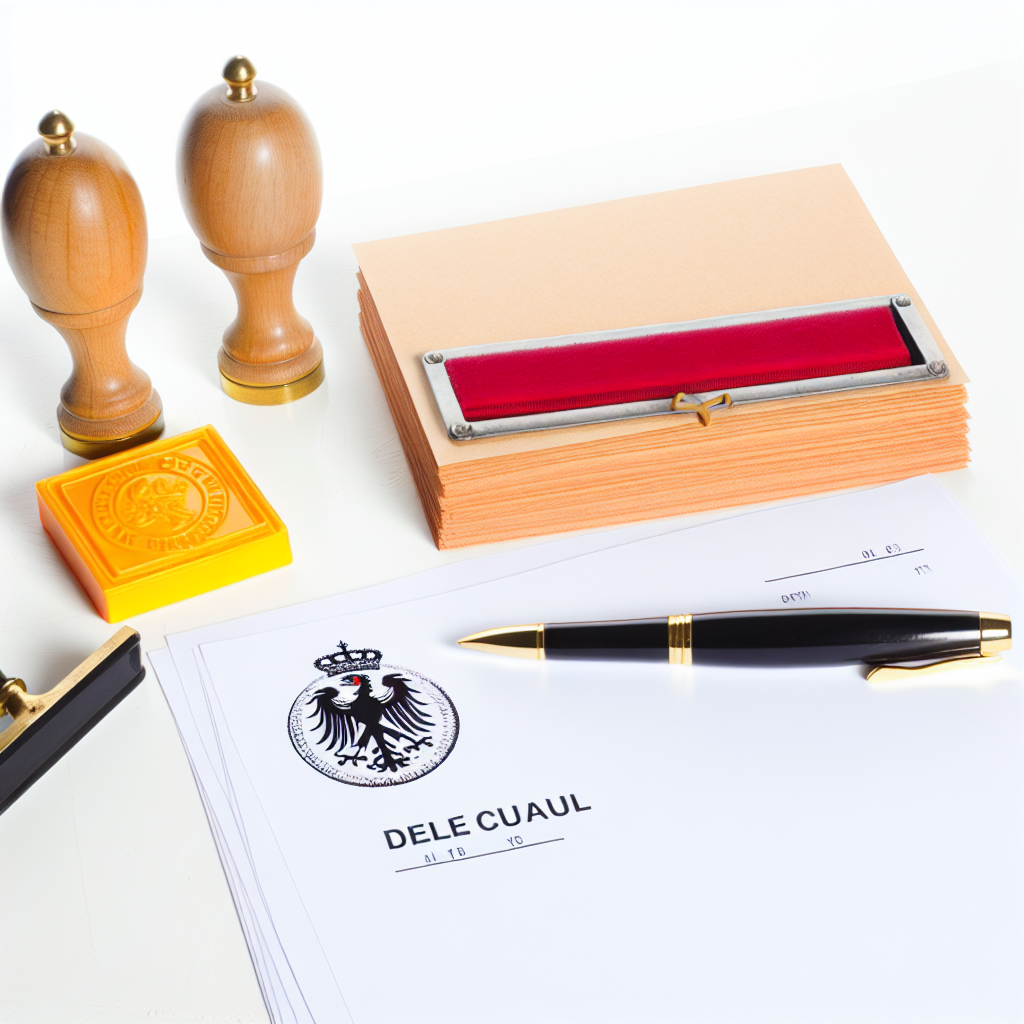
Notary Translation Certification translation services are of great importance in your official and legal transactions. This specialised translation process is the process of notarially certifying that the document is original and that the content has been translated accurately. Verification of documents in different languages is required in a wide range of situations, from international transactions to education purchases. In this article, Notary Translation Certification We will examine in detail how the process works, its legal validity and why it is so important.
What is Notarised Translation Certification and Why is it Necessary?
Notarised translation certification is the process of notarising a translation. During this process, the notary certifies the signature of the translator and gives a certificate that the translation is correct. In this way, the translation becomes legally recognisable.
Today, in addition to many official transactions, internationally recognised documents may also require this type of verification. In particular, notarisation is required for the legal recognition of documents to be used abroad. Examples include citizenship applications, marriage certificates, academic documents such as diplomas and transcripts.
Notarisation also protects documents against forgery. This is because the notary certifies both the accuracy of the document and the suitability of the translation. This increases the reliability of documents and strengthens them in legal processes.
How Does Notarised Translation Process Work?
The notarised translation process is carried out following a comprehensive method. The first step is to have a professional and sworn translator provide an accurate translation into the target language. This translation is then submitted to a notary public for verification and authentication.
In addition to the translation, the notary also examines the original document and checks for consistency between the two documents. If there is consistency, the notary stamps his/her official seal on the translation and certifies that the translated document is legally valid.
The document obtained at the end of this process becomes an official document recognised by international legal systems. For this reason, it is of great importance that the translation process is carried out by professionals and submitted to the notary in the correct manner.
Legal Validity and Importance of a Certified Translation
The legal validity of a notarised translation plays a critical role in many local and international transactions. Notarised documents are fully valid in legal proceedings and before official institutions. The reliability provided by such documents facilitates and accelerates the legal procedures of individuals and organisations.
In addition, certified translations provide a protective shield against malicious misuse of a document. Notarisation serves as a guarantee that the document has not been tampered with and that the original content has been preserved. This is a great advantage, especially in international legal proceedings.
Finally, the importance of certified translation is increasing in our globalised world. Such documents are indispensable for overcoming bureaucratic obstacles between different countries. Whether for international agreements, co-operation or legal matters, certified translations have become an indispensable tool.
In short, Notary Translation Certification process stands out as a critical process that opens many doors not only locally but also globally. This process, which provides officiality and reliability, has a dominant place in today's globalised world and increasing legal needs. If you want to carry out your transactions in a legal and secure framework, we are always at your side with our professional translation services.